Contract selection becomes a criterion of operational maturity
At a time when the infrastructure works market remains one of the main growth engines of the construction sector, companies with solid technical capacity and diversified portfolios are consolidating their positions through large-scale projects and strategic partnerships. Proger Global Network belongs to this category, being involved in complex works — from earthworks and motorways to bridges, tunnels and material transport — under contracts carried out nationwide. With an active portfolio extending to 2027-2028 and a turnover of 235 million lei in 2025, the company is counting on sustained growth in the period ahead, supported by new European funding and by projects already under execution. Below, eng. Alexandru Petcovici, Project Manager at Proger Global Network, details the main ongoing projects, the financial evolution, market prospects and strategic development directions.
What projects are you working on at the moment, and at what stage of implementation are they?
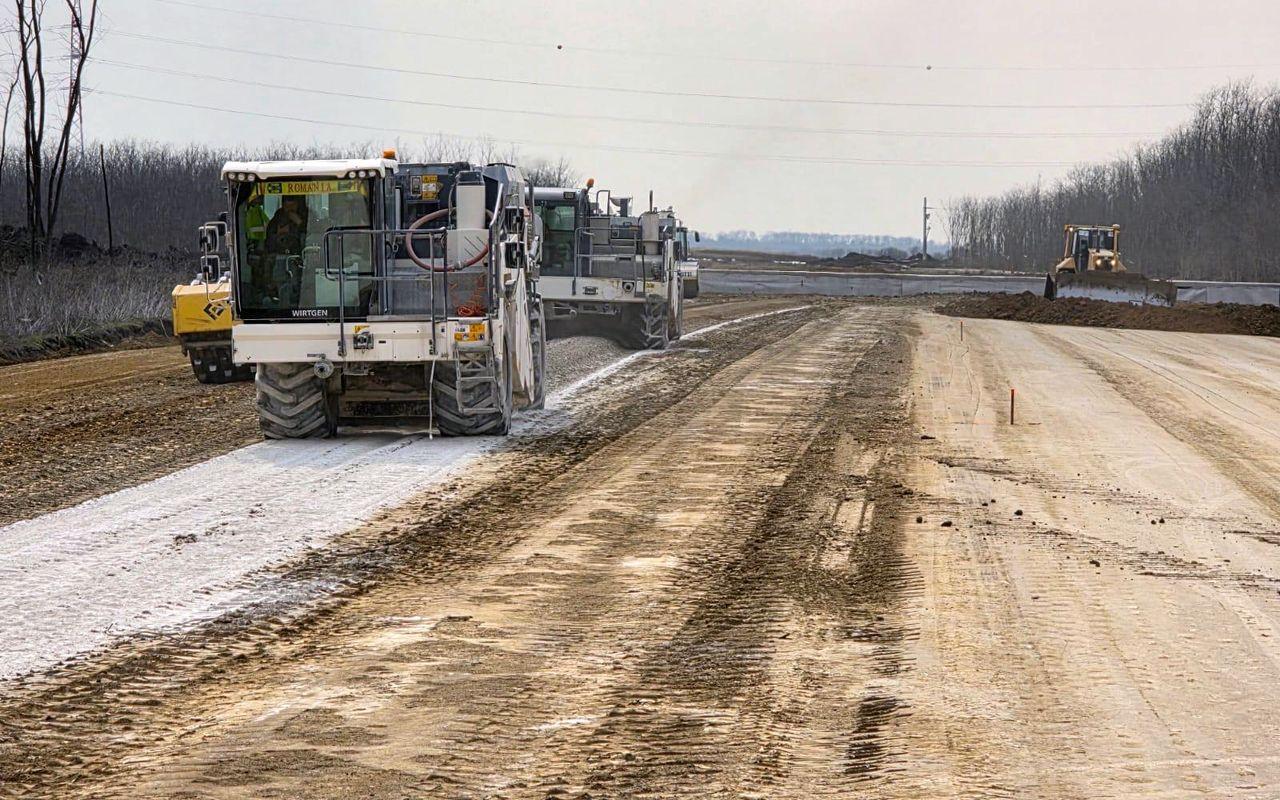
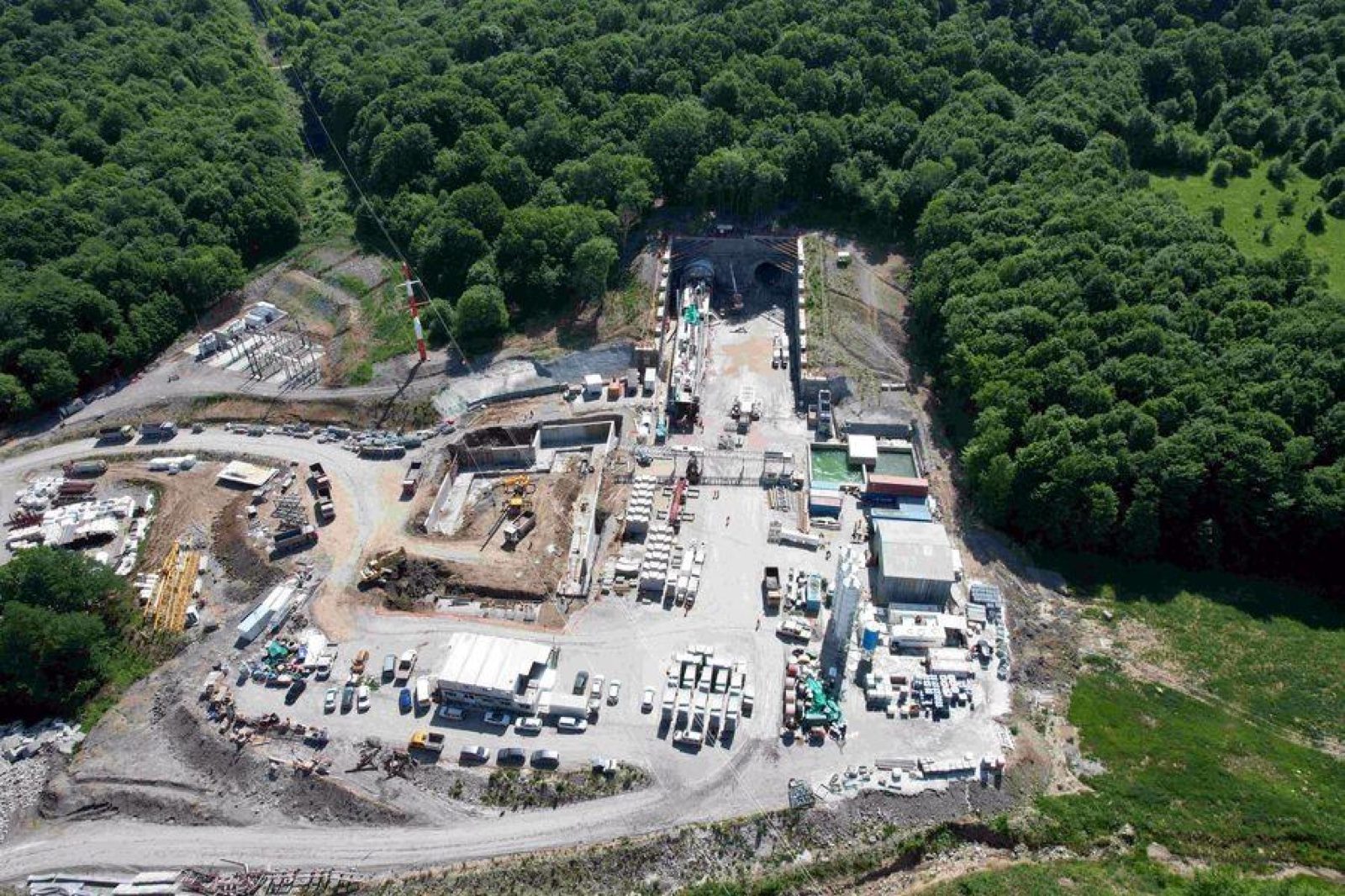
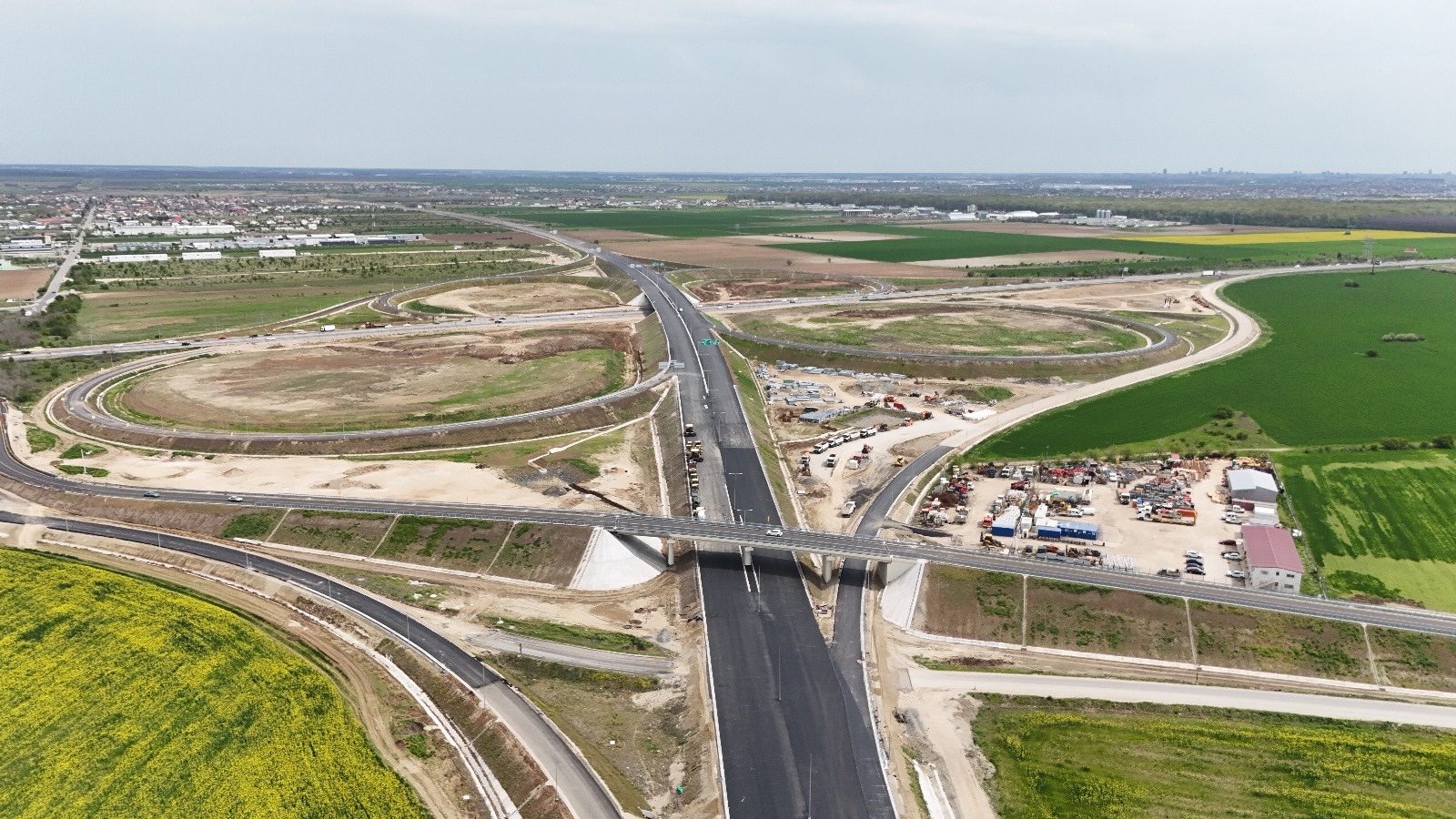
Proger Global Network is currently actively involved in a diversified portfolio of infrastructure projects, covering earthworks, roads and motorways, tunnels, road passages, bridges and viaducts, aggregate supply and the transport of material resulting from excavation (muck). One of the reference projects of this period is the A0 Motorway – North Lot 1, where we carry out the earthworks and the motorway superstructure, as declared subcontractor of the Pizzarotti–Retter association.
The works are carried out in several regions of the country, under subcontracting agreements with front-line beneficiaries of Romanian infrastructure.
What is the size and structure of Proger Global Network's current portfolio, and what time horizon does it cover?
The company's active portfolio covers an execution horizon extended to 2027-2028, with contracts under way and others recently awarded or in the final negotiation stage.
The aggregate value of the contractual commitments in progress is consistent, supporting an annual turnover of over 200 million lei. This reflects the significant growth of recent years and consolidates the company's position as a major subcontractor of civil infrastructure works.
How did the company's activity evolve in 2025, and what are your estimates for 2026 and for the 2027-2030 interval?
The last three years have confirmed the solidity of Proger Global Network's trajectory: from 177 million lei in 2023, to 272 million lei in 2024 — the best result in the company's history — and 235 million lei in 2025, a year in which we deliberately opted for a more rigorous selection of contracts, prioritising projects with viable margins and quality partners over gross volume.
For 2026 we estimate a return to the growth trajectory, supported by active contracts with European financing and by new awards in the process of being signed. For the 2027-2030 horizon, the company's strategy targets the consolidation of technical capacity and expansion towards the energy segment, particularly in the area of renewable energy infrastructure projects.
What are the estimates regarding the evolution of the infrastructure construction market in 2026, and what will the main engines be?
The infrastructure construction market is going through an important transition period. The end of the intense PNRR absorption cycle will inevitably generate a degree of administrative inertia, but we are optimistic about the substitution capacity of the new financing instruments — NextGeneration EU and, looking ahead, SAFE. The main short-term engine remains transport infrastructure — motorways, express roads and bypass variants — where there is a consistent backlog of contracts under execution and in procurement procedures. In the medium term, energy infrastructure, especially renewable energy projects and energy transport networks, will represent an increasingly important segment for companies with a diversified technical profile.
How do you see infrastructure investment evolving in the short and medium term, given the reduced share of European financing and limited budgetary availability?
The reduction of the direct European financing share will put pressure on the Romanian state's capacity to co-finance infrastructure projects at the scale of recent years, which means that the efficiency and speed of spending existing funds become essential. From our perspective as a contractor specialised in execution, the main risks are related to delays in issuing technical documentation and to authorisation blockages. On the other hand, companies with solid financial capacity, experience in complex projects and flexible execution structures will be advantaged, and Proger falls into this category.
What are the main challenges of your current activity?
The main challenges we face are on several levels simultaneously. From a technical point of view, the increasing complexity of projects — tunnels, viaducts, works in difficult terrain — continuously demands a lot of our equipment and teams. On the contractual level, price adjustment mechanisms remain a sensitive subject, especially given the volatility of material and fuel costs recorded in recent years.
A major structural challenge remains the availability of qualified labour — from specialised equipment operators to experienced site engineers. Our response is constant investment in training internal teams and maintaining a stable core of specialists.
What investments and development plans do you have for the period ahead?
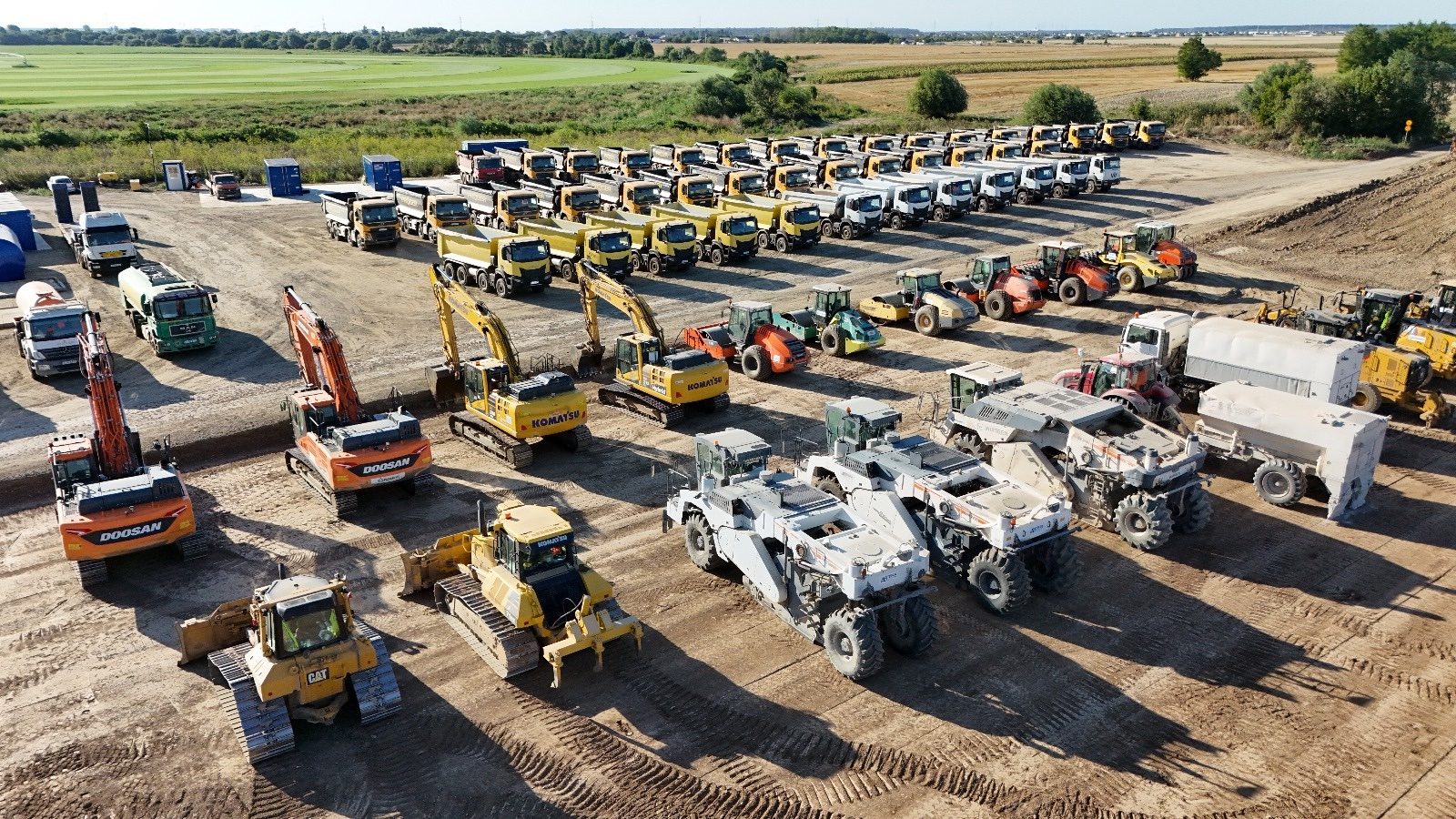
For 2026, investment priorities target the modernisation of our own equipment fleet, increasing capacity for bored pile works and earthworks, and consolidating the administrative infrastructure needed to manage a larger portfolio of simultaneous contracts. For the 2027-2030 horizon, our strategy includes diversification towards the energy segment — in particular infrastructure works for wind and photovoltaic parks — and strengthening our capacity to participate in consortia for larger-scale contracts in public procurement procedures.