Subsection 2 Apața-Cața: Engineering Romania's Most Ambitious Railway Tunnel Project
Transforming a country's transport infrastructure requires more than vision, it demands engineering excellence, technical innovation, and the ability to deliver projects that redefine what is possible.
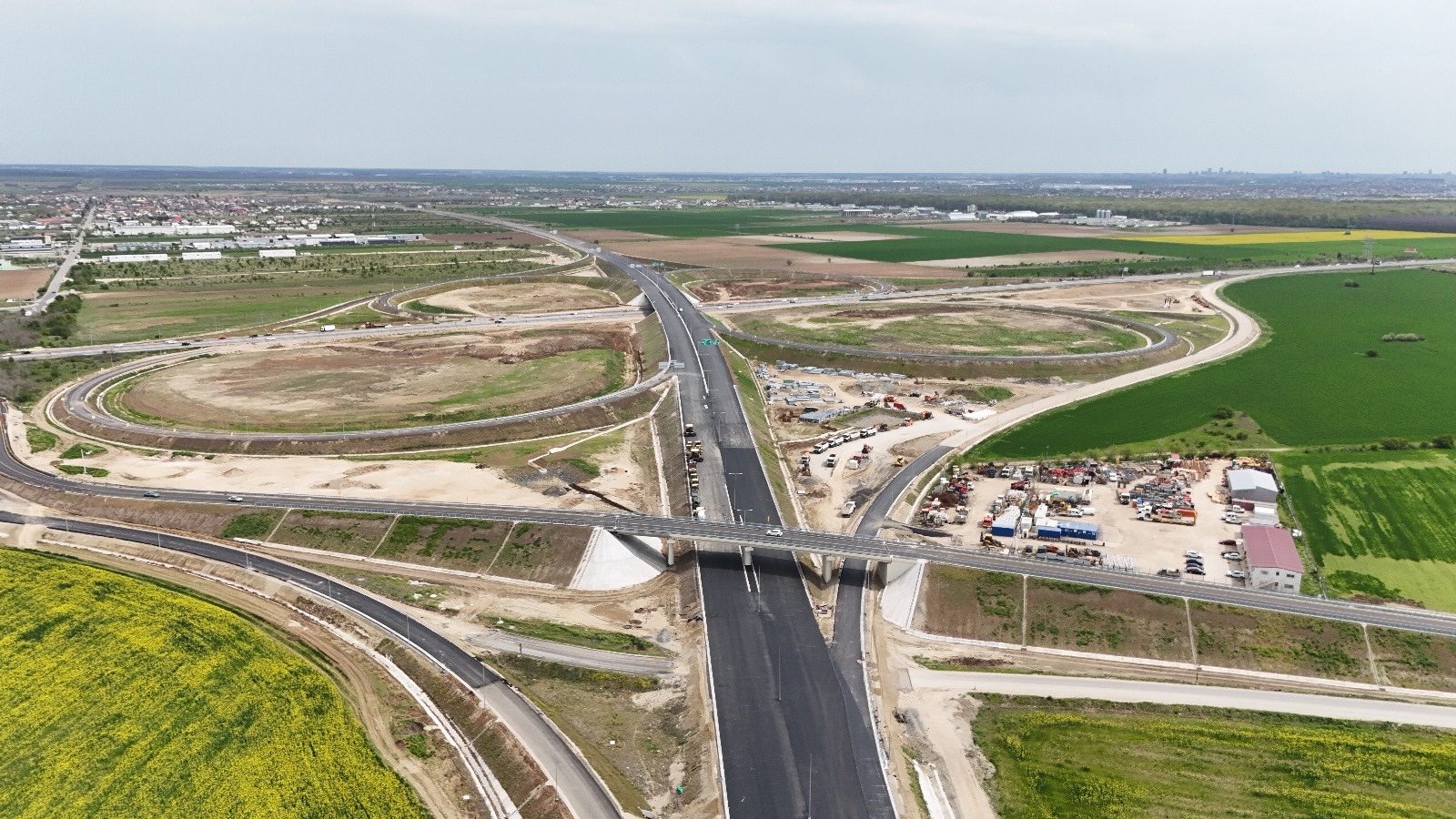
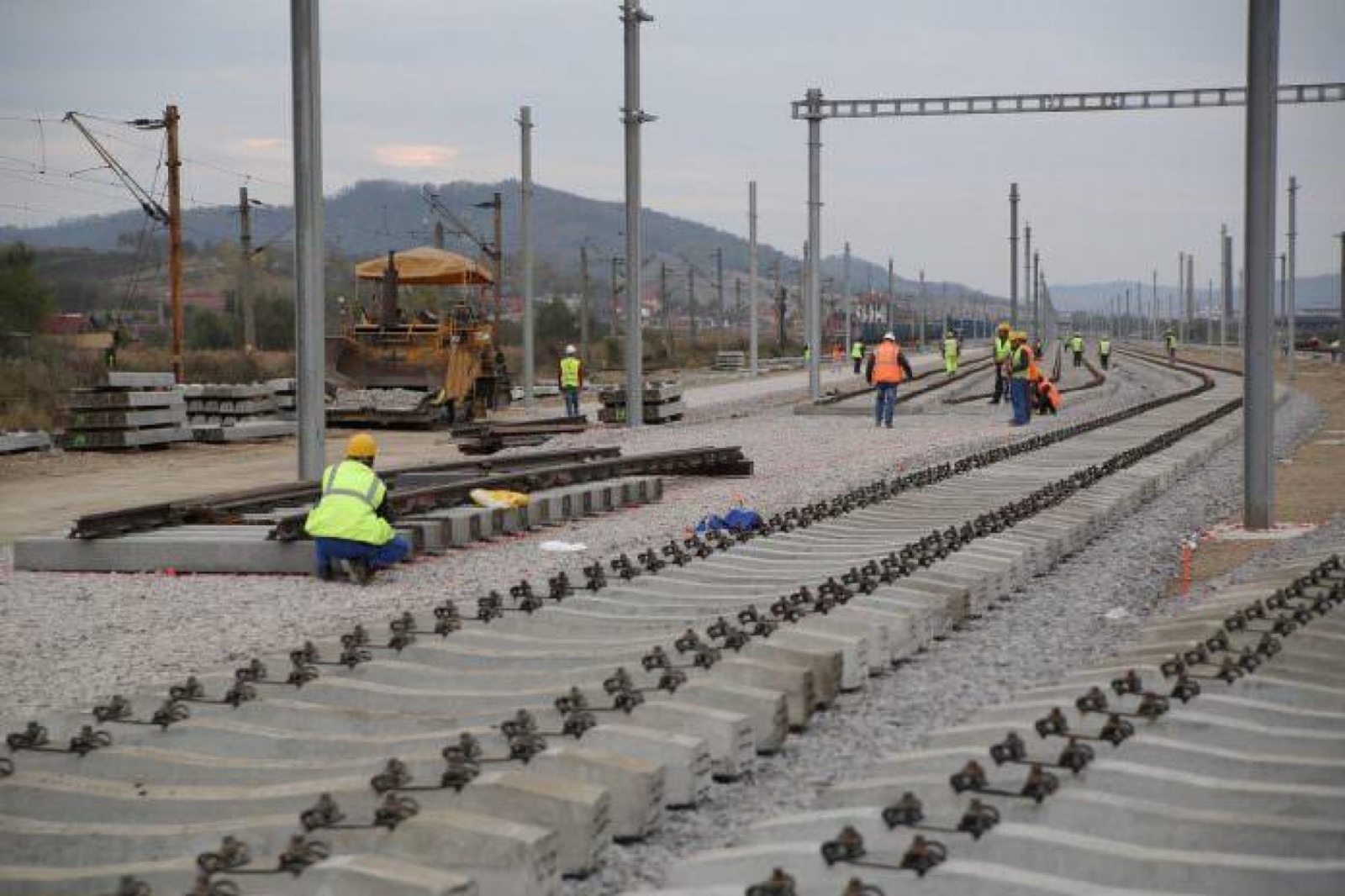
Among Romania's largest railway infrastructure investments, Subsection 2 Apața-Cața, part of the modernization of the Brașov–Sighișoara railway line, represents one of the most technically advanced engineering projects ever undertaken in the country.
At PROGER, we are proud to contribute to this landmark development, supporting the delivery of infrastructure that will strengthen Romania's position within the European railway network while creating long-term value for communities, businesses, and future generations.
A Strategic Corridor for Romania and Europe
The Apața-Cața subsection forms part of the Rhine-Danube TEN-T Core Network Corridor, one of Europe's most important transport routes connecting Central Europe with the Black Sea.
Its modernization is designed to create a faster, safer, and more efficient railway capable of supporting both passenger and freight traffic at European standards. Once completed, trains will operate at speeds of up to 160 km/h for passenger services and 120 km/h for freight, significantly reducing travel times while increasing network capacity.
This is not simply a railway upgrade, it is an investment in Romania's long-term connectivity and economic competitiveness.
Engineering Beneath the Mountains
What makes Apața-Cața exceptional is the engineering challenge hidden beneath the landscape.
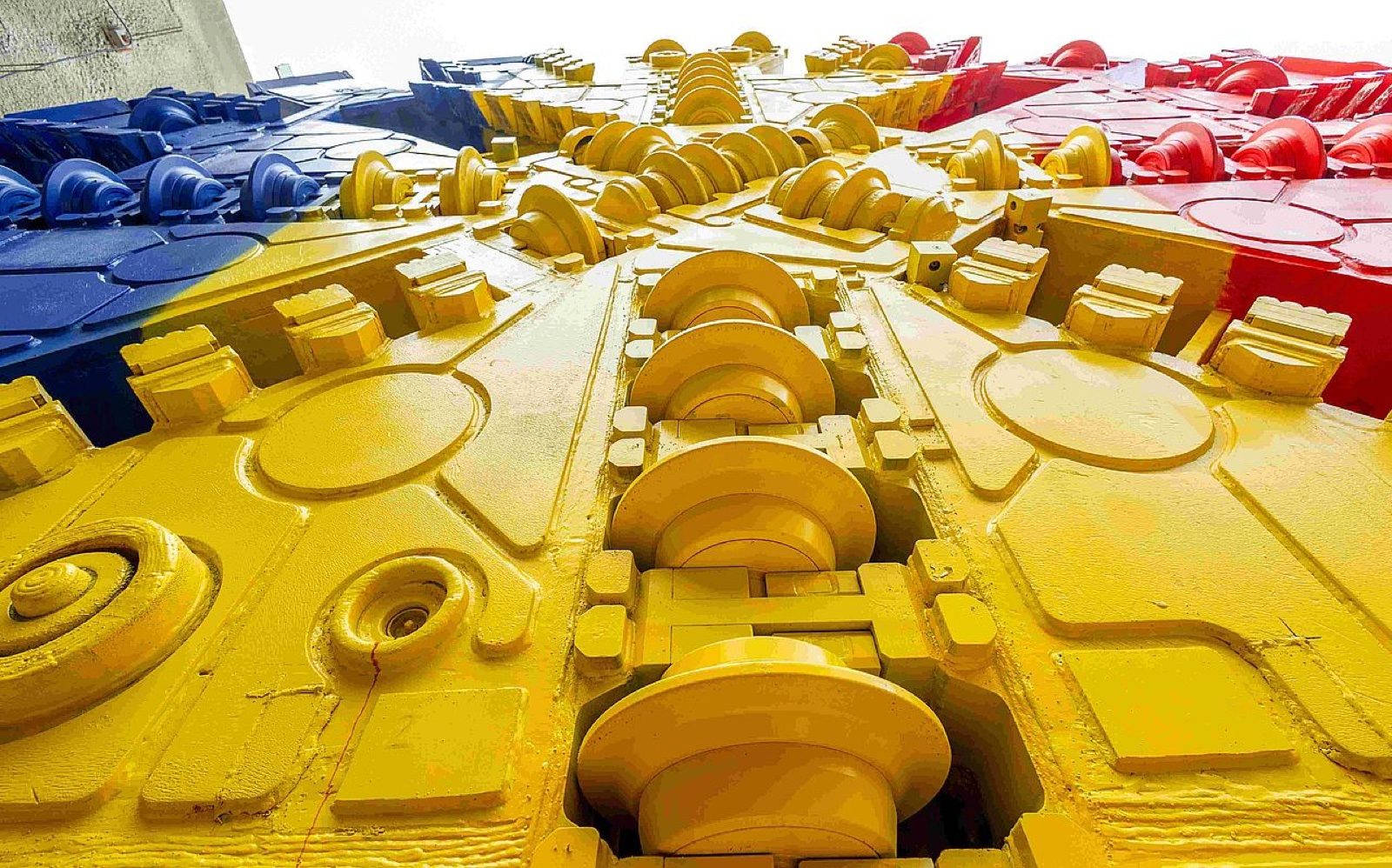
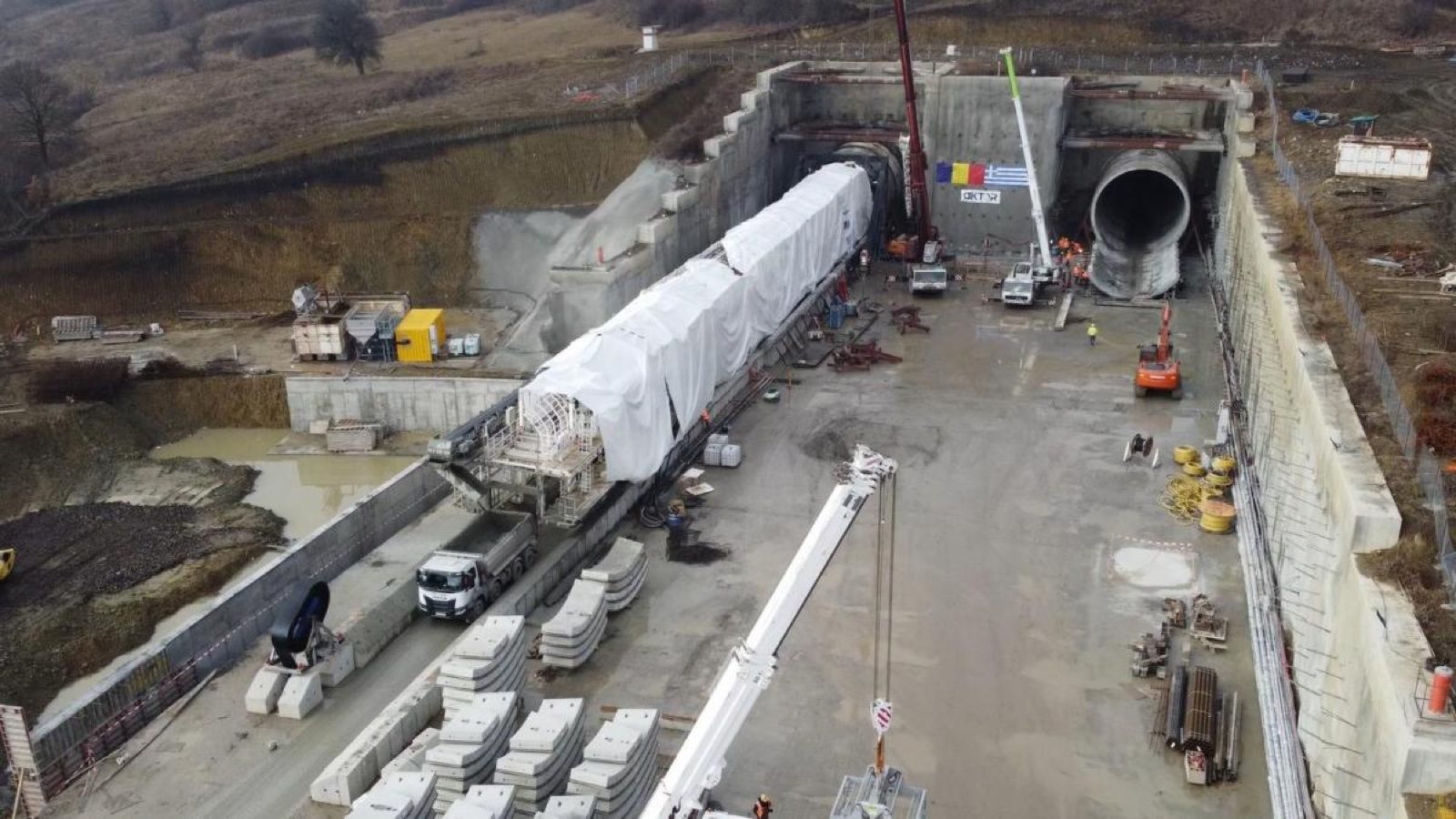
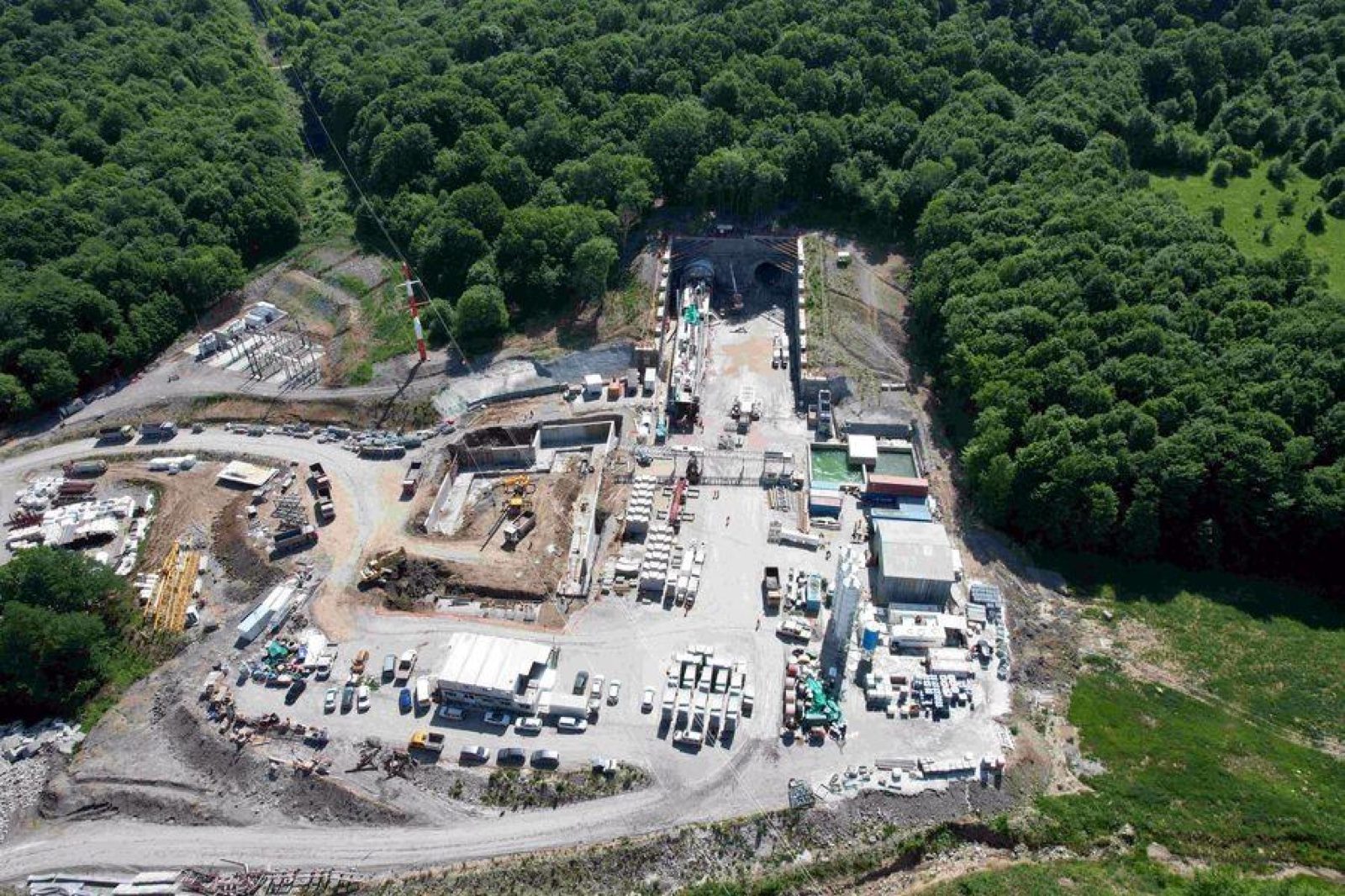
Crossing the complex terrain of central Transylvania required a solution never before implemented at this scale in Romania: the construction of four major railway tunnels using Tunnel Boring Machines (TBMs).
The project includes:
- four railway tunnels;
- two twin-tube tunnel systems: Ormeniș Tunnel – approximately 6.9 km per tube, and Homorod Tunnel – approximately 5.1 km per tube;
- almost 24 kilometres of underground excavation;
- dozens of cross passages connecting the tunnels for operational safety;
- modern signalling, railway systems, bridges and associated infrastructure.
Together, these elements make Apața-Cața one of the largest railway tunnel construction projects in Southeast Europe.
Precision at Every Stage
Large-scale infrastructure is built through thousands of carefully coordinated engineering decisions.
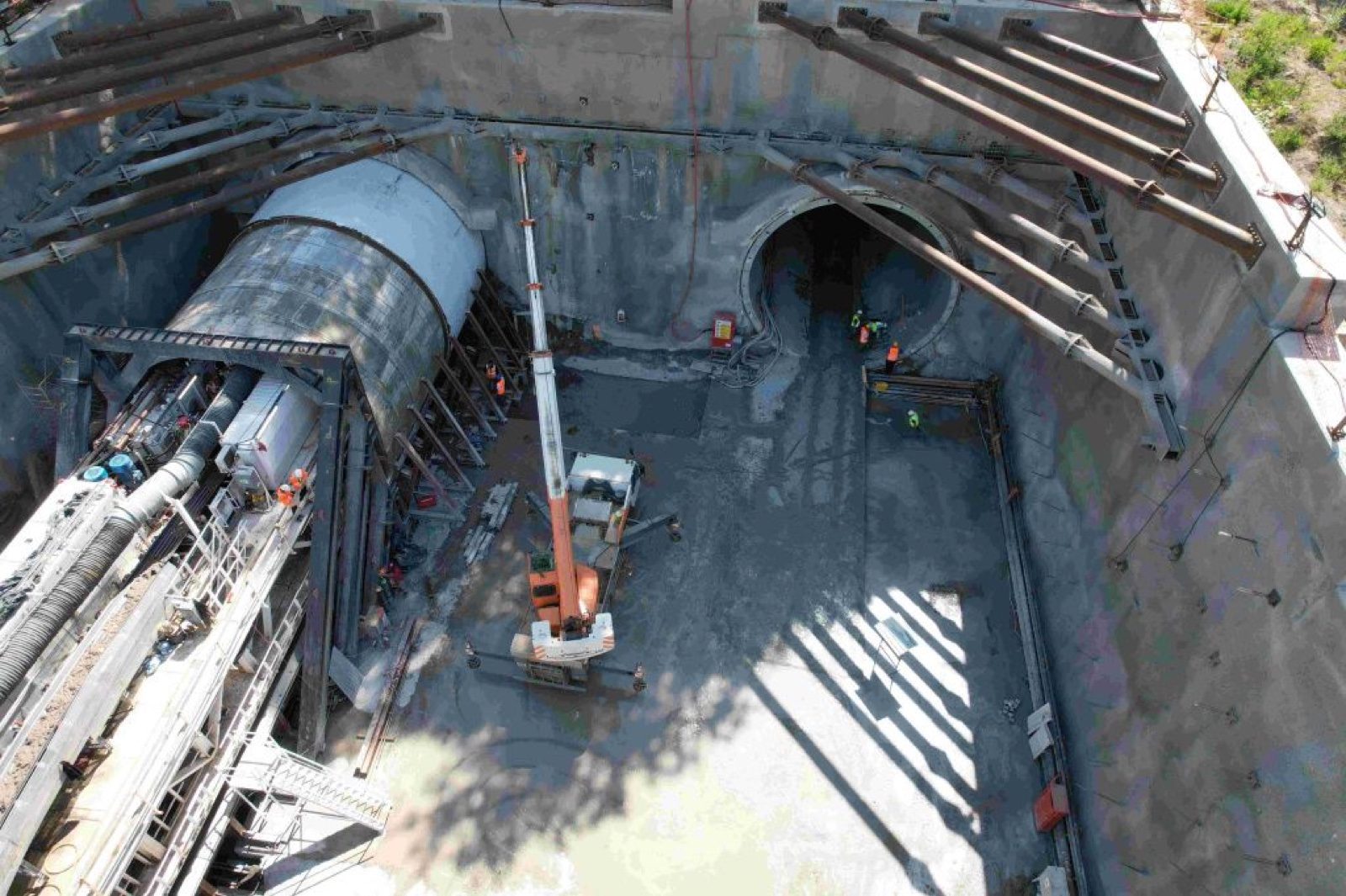
The tunnelling works combine advanced excavation technology with continuous monitoring, geotechnical analysis, logistics planning, and multidisciplinary collaboration.
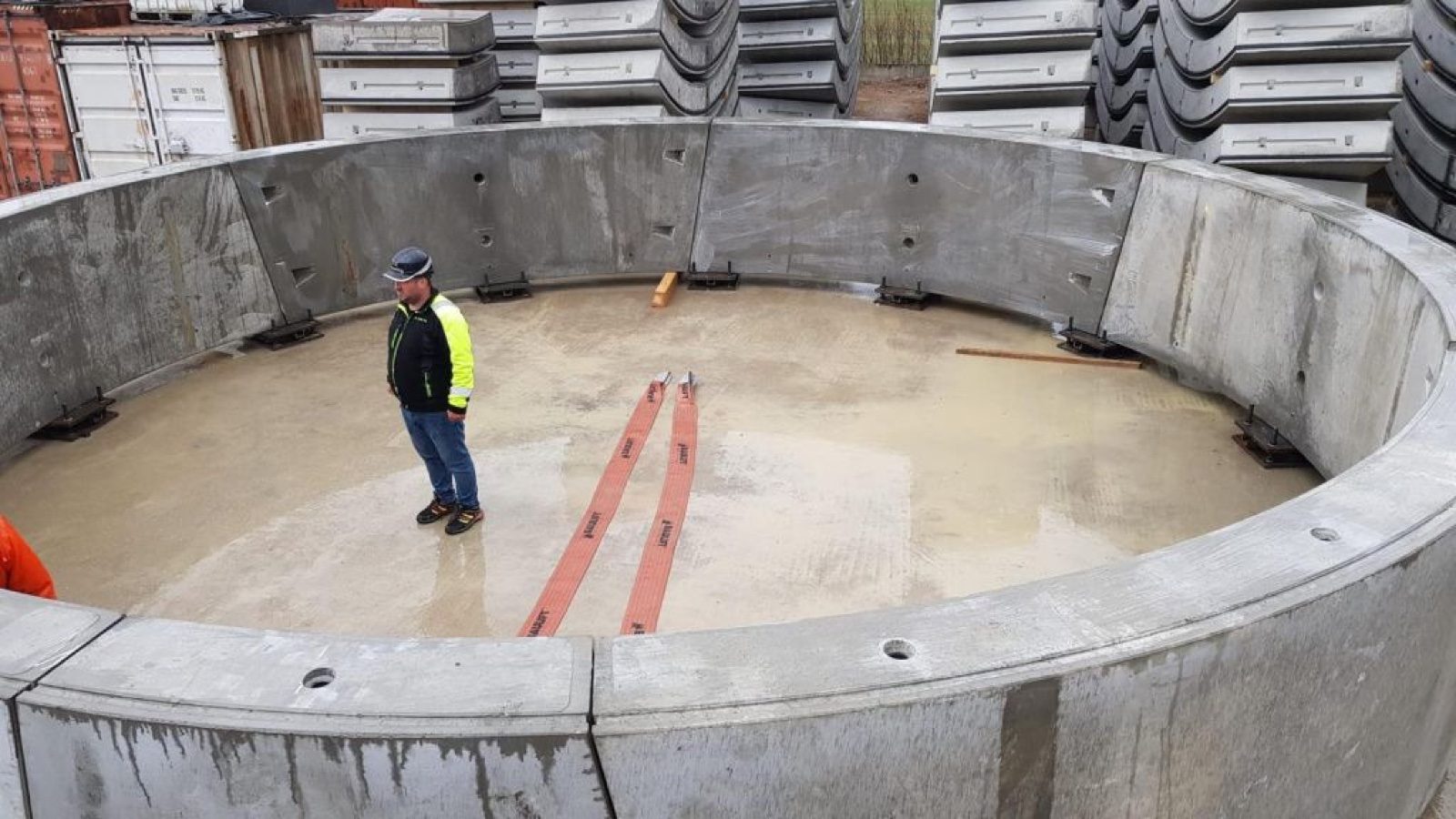
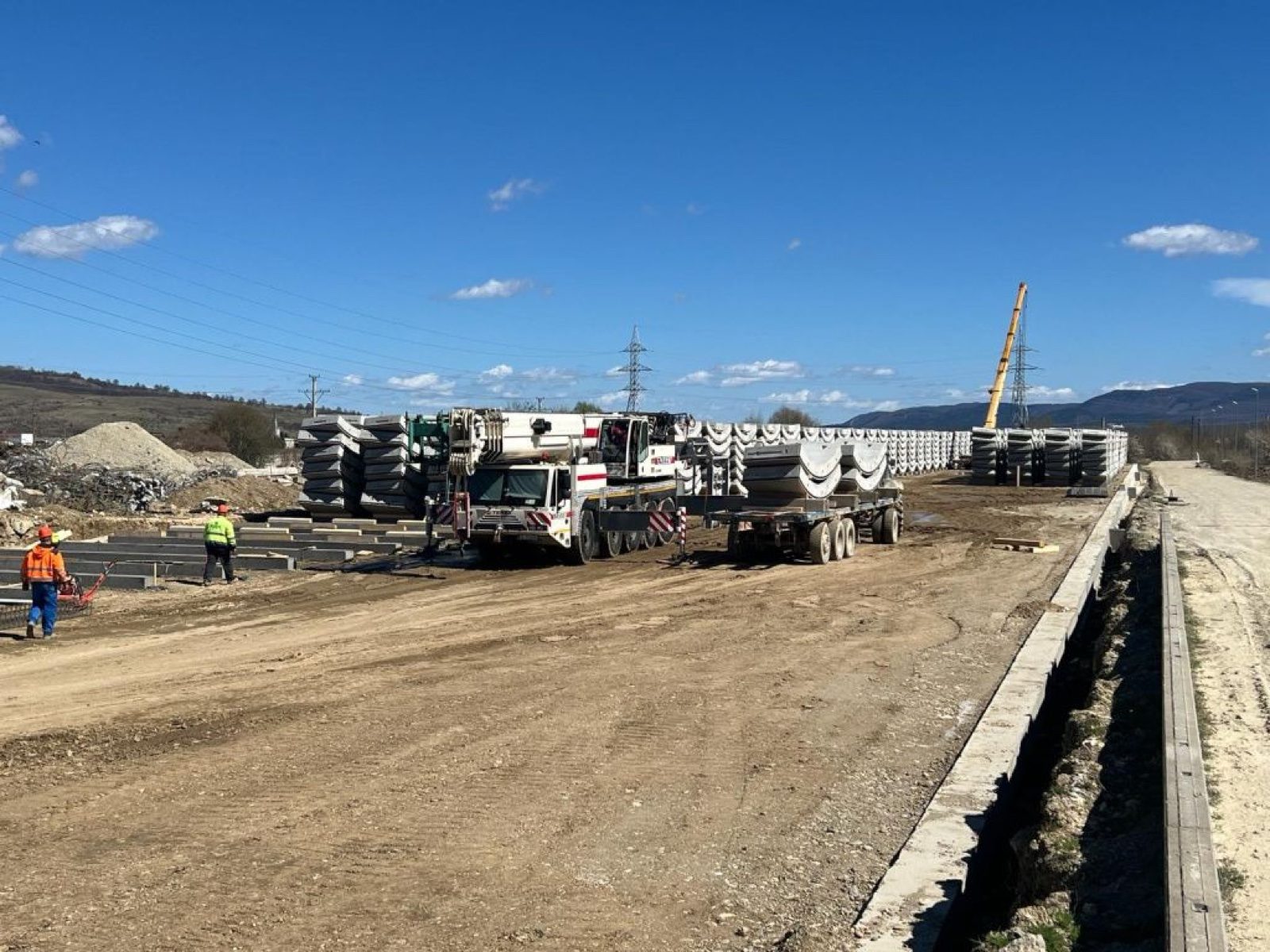
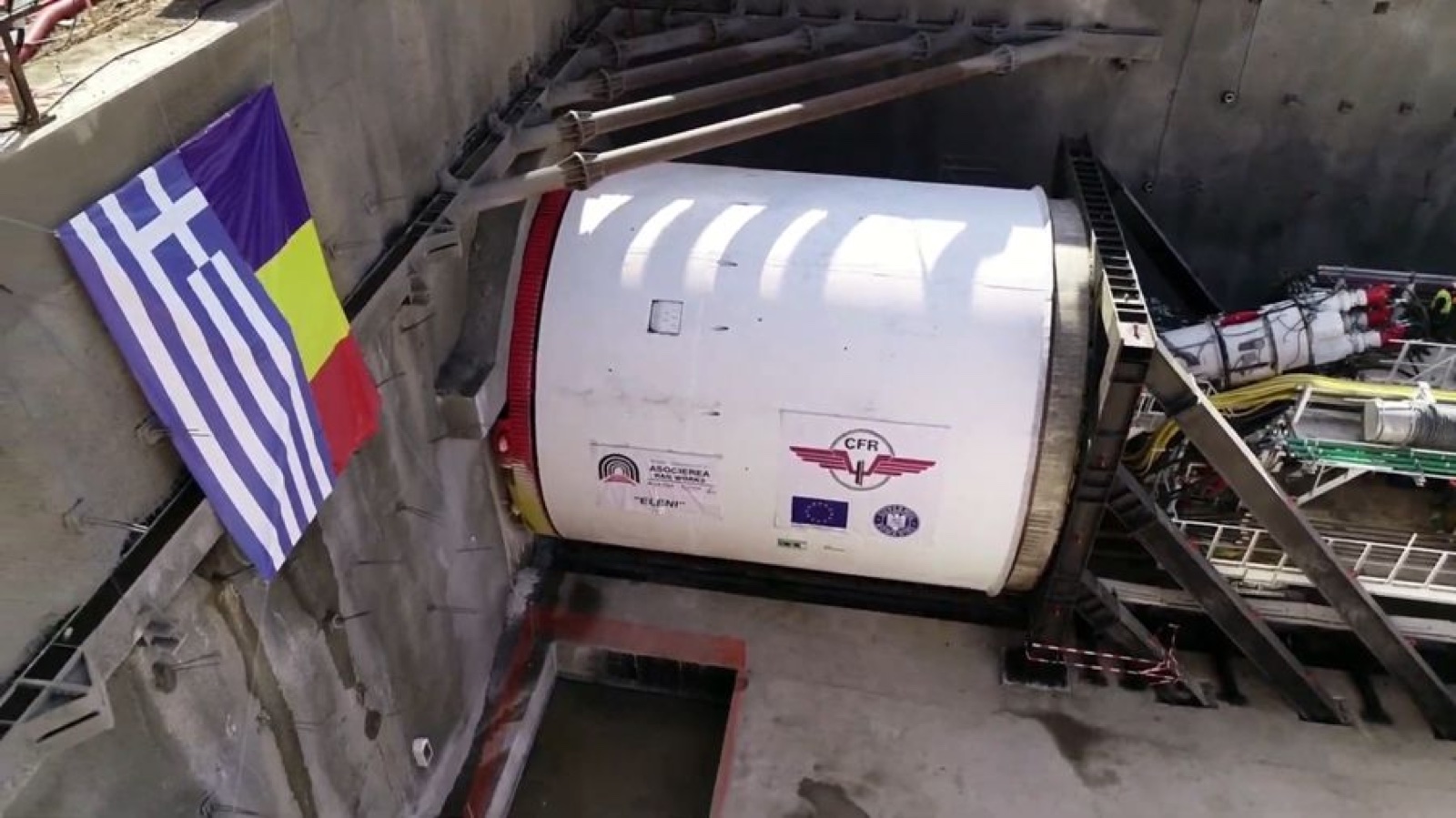
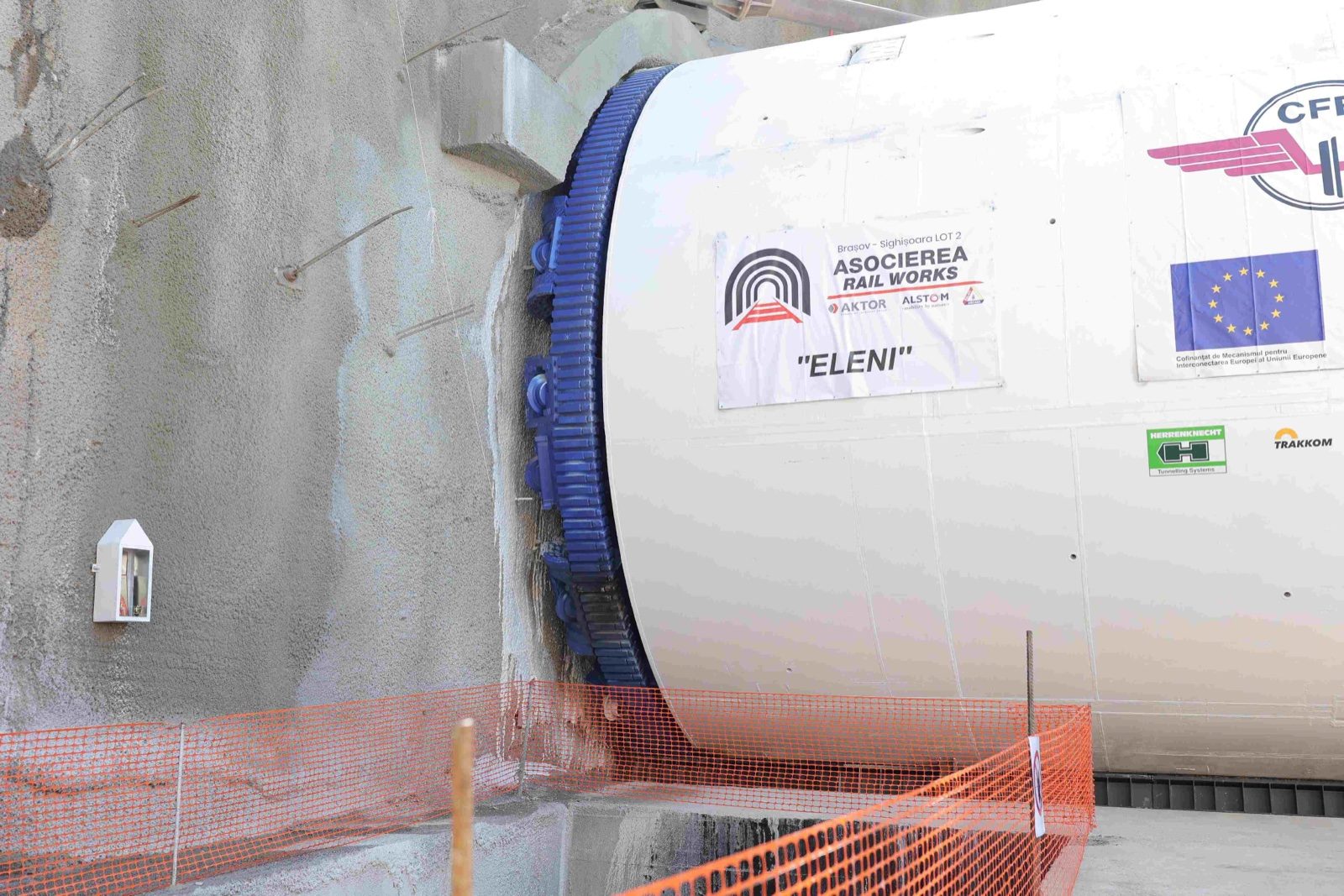
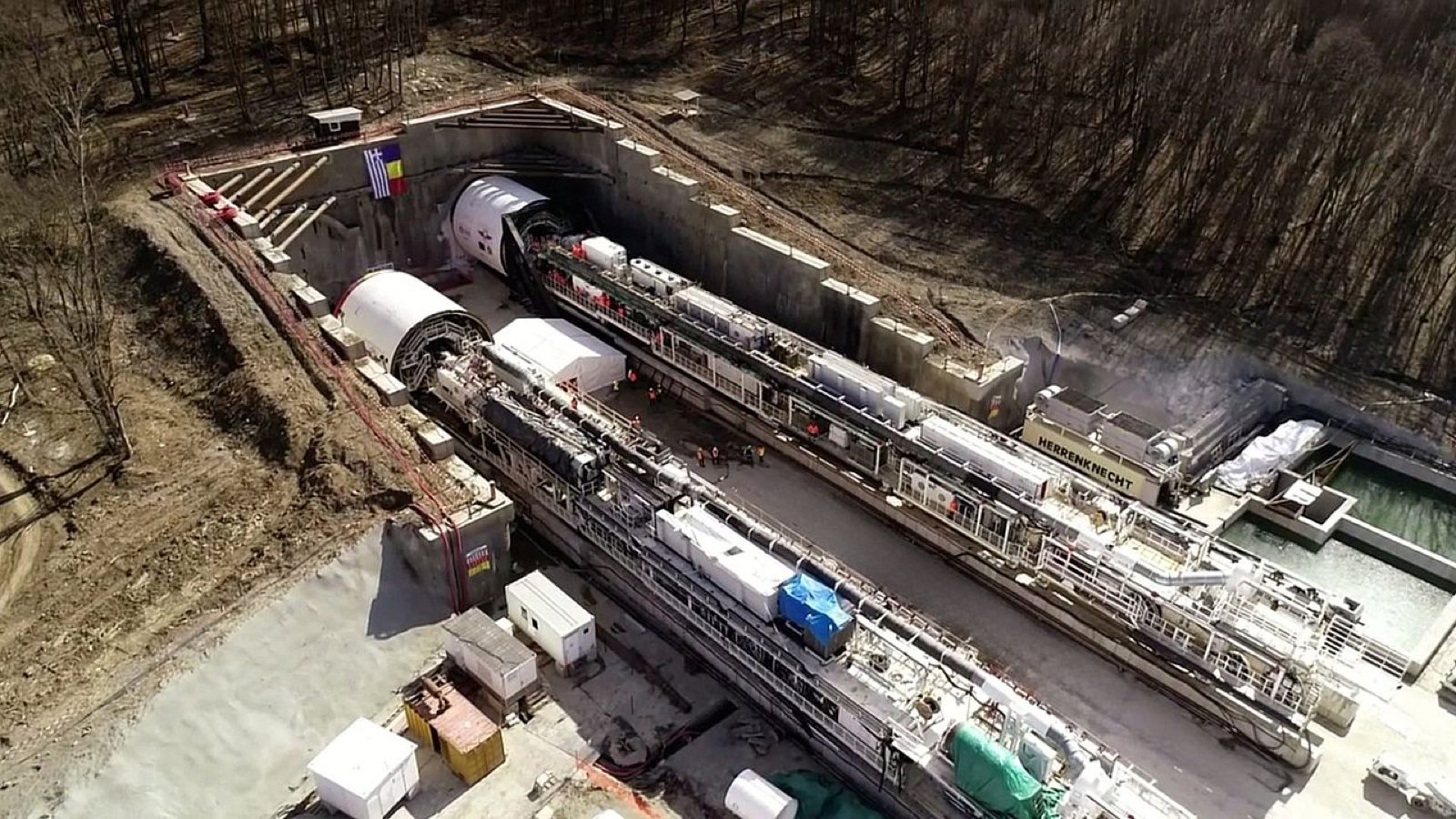
Specialized TBMs – including Eleni, Varvara, Alexandra, and Konstantina – have been deployed to excavate the tunnels while simultaneously installing prefabricated concrete lining rings that ensure long-term structural integrity. Each machine advances steadily through highly variable geological formations, adapting to changing ground conditions throughout the excavation process.
This level of precision is essential when delivering infrastructure designed to operate safely and reliably for decades.
Building Infrastructure That Lasts
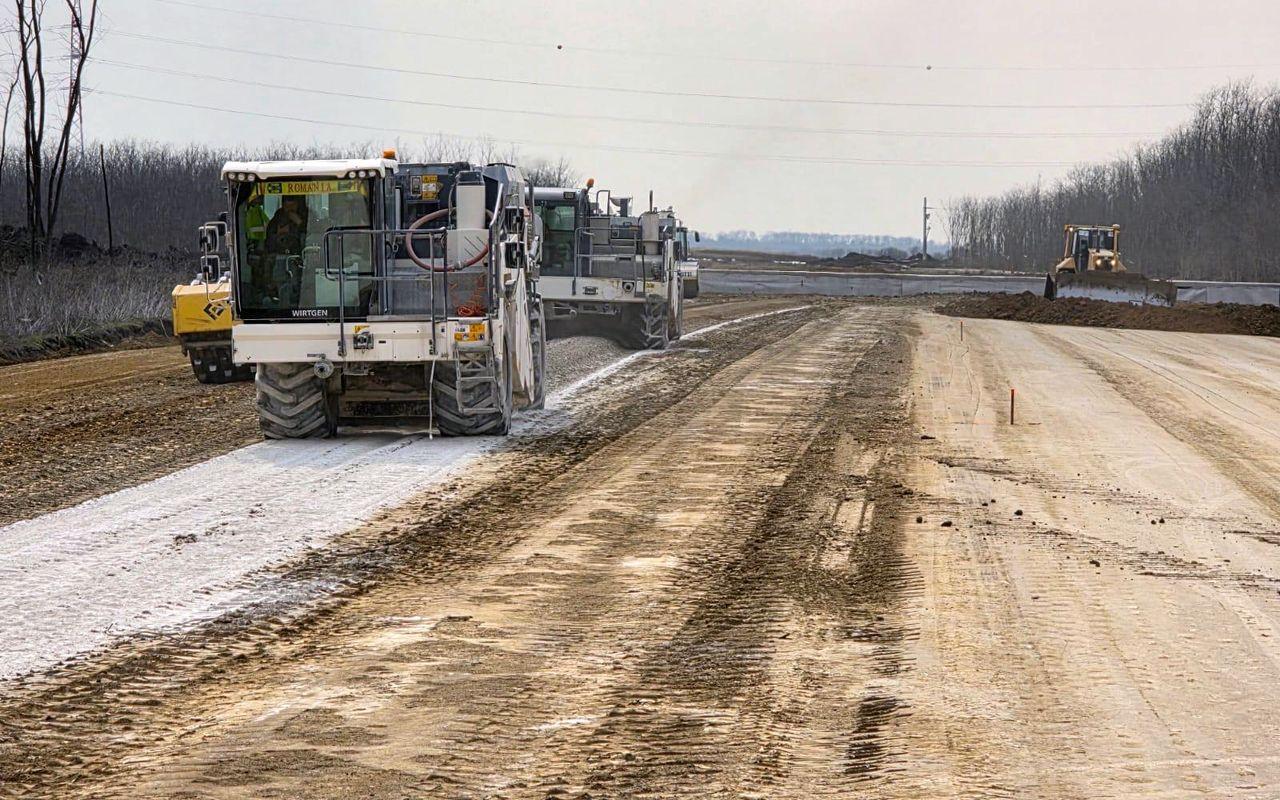
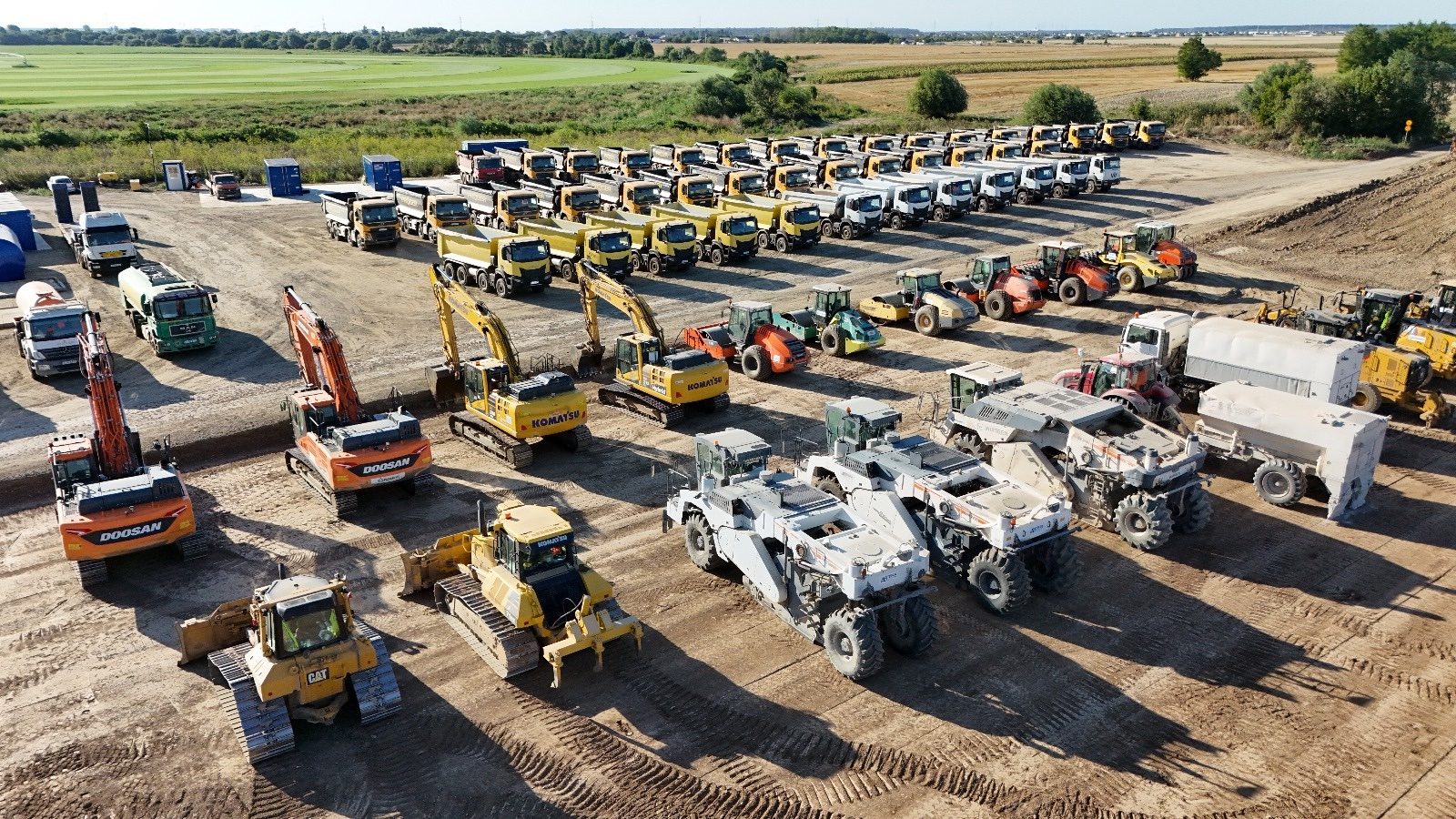
Projects of this complexity extend far beyond tunnelling.
They require the integration of civil engineering, railway systems, structural works, environmental considerations, construction management, and quality assurance into one coordinated delivery process.
At PROGER, we understand that every successful infrastructure project is built on:
- rigorous planning;
- technical expertise;
- multidisciplinary collaboration;
- continuous site coordination;
- uncompromising quality standards.
These principles help transform complex engineering challenges into infrastructure that delivers lasting value.
Supporting Sustainable Mobility
Modern rail transport is one of the most efficient and sustainable modes of mobility.
By increasing railway capacity and improving operational performance, projects like Apața-Cața encourage the transition of both passengers and freight from road to rail, reducing congestion, lowering emissions, and supporting more sustainable logistics across the region.
Beyond environmental benefits, modern railway infrastructure creates stronger regional connections, improves accessibility, and supports economic development by enabling faster and more reliable movement of people and goods.
A Milestone in Romanian Engineering
The simultaneous operation of four TBMs on the Apața-Cața subsection places this project among the most significant active railway tunnelling programmes in Europe. Independent industry analyses have ranked it among the continent's largest railway TBM projects, highlighting both its technical complexity and strategic importance within the European transport network.
It is a project that demonstrates how advanced engineering, international collaboration, and innovative construction technologies can work together to overcome some of the most demanding infrastructure challenges.
Engineering the Future of Romanian Rail
Infrastructure is more than physical construction, it is the foundation for future growth.
The modernization of Subsection 2 Apața-Cața will improve mobility, strengthen international connectivity, and support Romania's integration into the European transport system for decades to come.
At PROGER, we are proud to contribute to projects that combine engineering expertise with long-term vision. Through precision, collaboration, and innovation, we help deliver infrastructure that connects communities, supports economic development, and builds a stronger future for Romania.